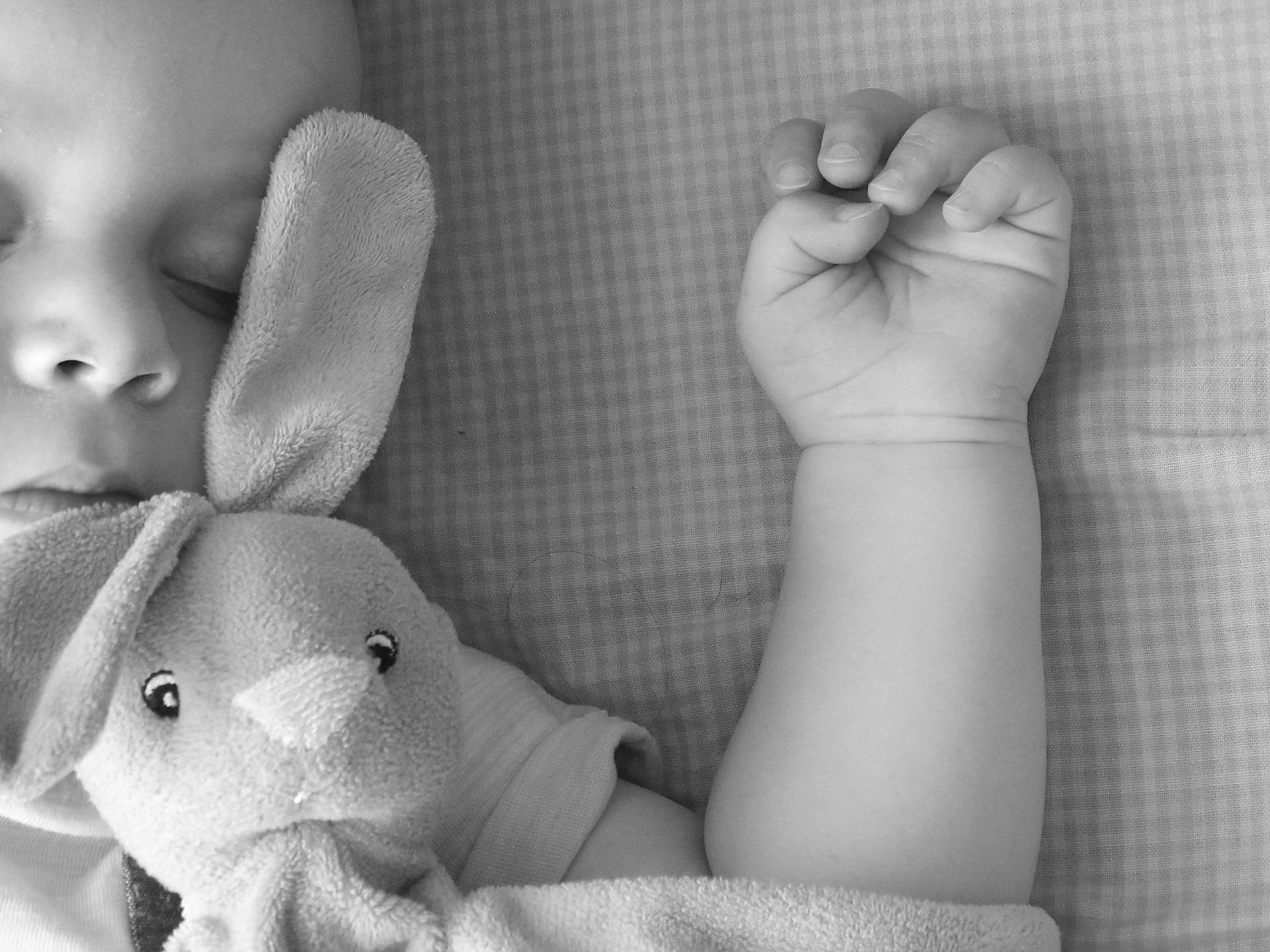
A PARENTS GUIDE TO SLEEP

Did you get your seven hours of unbroken sleep last night? And, more importantly, how well did your child sleep? If this is a little bit of a moot point, it may be a small comfort to know that most parents will at some time struggle to get their child to bed on time and, moreover, to stay in bed through the night.


FIVE REASONS WHY SLEEP IS IMPORTANT

Here are five reasons why all parents should focus on bed and nap times:

1. Immune system

Time spent asleep is used by the immune system to seek and sort out any bacterial or viral invasions. As young children’s immune system is still in development, sleep is vital to prevent repeat infections.


2. Memory and learning
During the time that your child is in deep sleep, the brain reviews and processes the experiences of the day. Children who aren’t getting enough sleep are likely to find it hard to retain information and may be slower to learn than if they had adequate sleep.


3. Concentration
How well children can play and concentrate on an activity is dependent on their age, but also on how tired they are. Just like adults, children struggle to concentrate if they are tired.


4. Weight gain
There have been several pieces of research showing that excess weight gain and lack of sleep are linked.

5. Self-regulation
Young children find it hard to keep their feelings and impulses in check. It becomes even harder if they are tired, resulting in more tantrums and challenging behaviour.

LACK OF SLEEP: THE SIGNS

Years ago, it was pretty difficult to find out how much sleep a child needed at any given age. Nowadays, due to concerns by health professionals about children’s ‘under-sleeping’, there is more information available.


For a clear range of how much sleep your child is likely to need, search ‘children sleep how much’ at: www.nhs.uk/ livewell. There, for example, you will find that most three-year-olds need at least 11.5 hours a day. Look out for these common signs that your child might need more sleep:


You need to wake your child up in the morning
If your child is sleepy in the morning, it is likely that they need more sleep overall. Young children, unlike teenagers, should be very bright in the morning.

Your child has times when they are ‘ hyperactive’
A child who is restless but unable to concentrate can be exhibiting the signs of being overtired. If this happens at nap or bedtime, your child is not likely to be sufficiently relaxed to fall asleep.

Tantrums, defiance and impulsive behaviour
While tantrums and very impulsive behaviour are part of the parcel with two-year-olds, these behaviours in older children can be linked to lack of sleep.

Frequent coughs and colds
To fight infections, children need both a healthy diet and sufficient sleep. If your child seems prone to coughs and colds, and if they are also at times tired, additional sleep may be needed.

SLEEP PROBLEMS:


There are a few common reasons why some children find it hard to get to sleep or to stay asleep. If your child is not sleeping well, these might be your starting point:

Self-settling
Self-settling is the skill of falling asleep without needing any props such as dummies, bottle of milk, music or the company of an adult. Not being able to self-settle is the common reason why children will wake in the night.

Needing a routine
Keeping the same bed and nap times helps establish a pattern of wakefulness and sleepiness.
Avoiding significant changes in timing and location can help children settle into a better pattern.


Winding down
The time before bed or nap time is important in terms of giving the body a signal that it is soon time for sleep. Sharing books and having a cuddle in bed works well so that the bed becomes warm and children settle into the space. What will also help your child to wind down are:

Exercise

being outdoors and running around during the day can increase children’s readiness for sleep. Being inside and doing sedentary activities such as watching television makes it harder for children to fall asleep

Nap Time

a nap taken in late morning or early afternoon is helpful for most young children. If your child is very tired, preventing them from having a nap can backfire because they can become overtired, which in turn prevents them from feeling sleepy.

GETTING HELP

Few children grow out of sleep problems. Instead, sooner or later parents need to take action to ‘reset’ their child’s habits. This requires persistence, consistency and some level of determination.

Resetting children’s sleep habits can improve their health, learning and also family dynamics. It is much easier to be a great parent when you and your child are not exhausted.

Talk to your health visitor or GP, or see if there are any ‘sleep clinics’ offered in your local children’s centre. Don’t be put off from gaining support because you feel that it might be wasting a professional’s time or that you will be judged to be failing as a parent.

This article was written by Cassie Surrey and provided by nurseryworld.co.uk